
blog, media
Sakharov Prize Laureate 2005
Hauwa Ibrahim
Sakharov Prize Laureate 2005
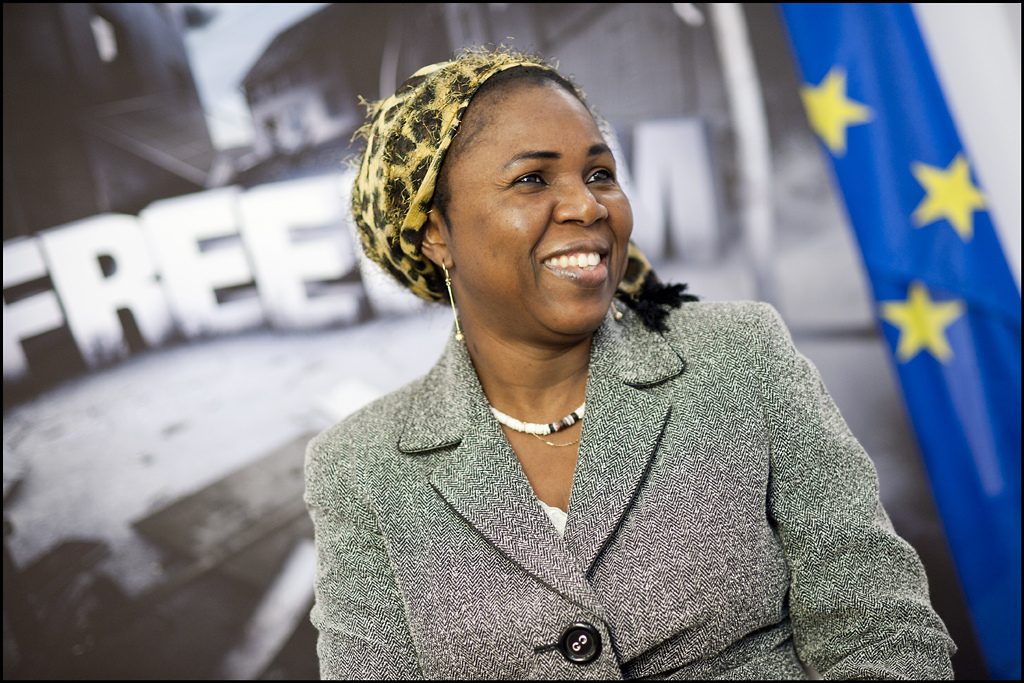
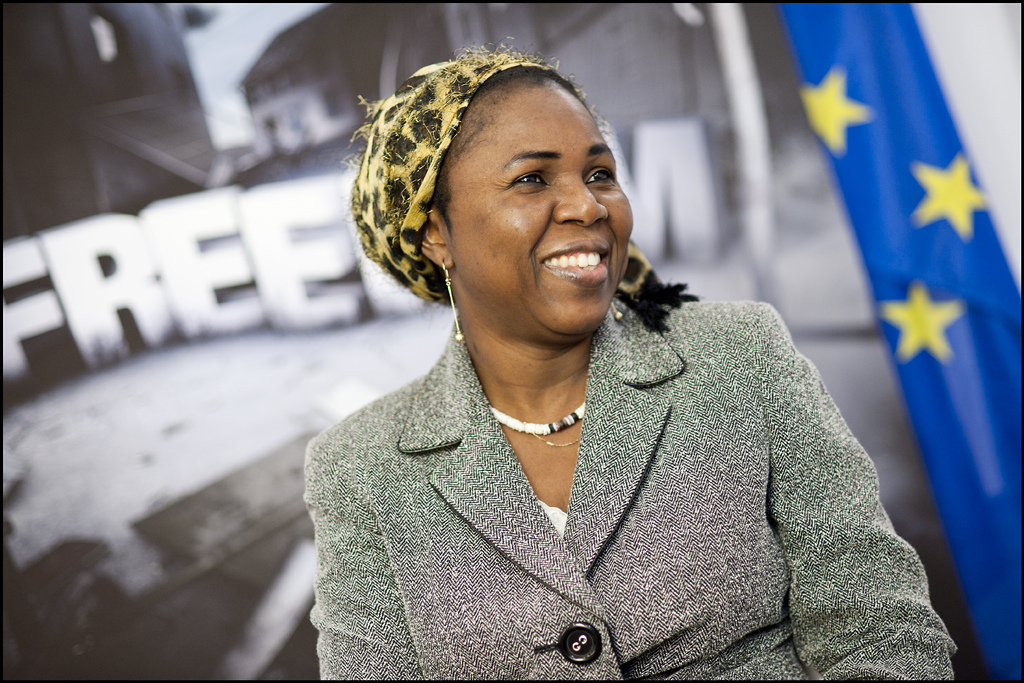
 Hauwa Ibrahim Esq., a lawyer, author and mother, is in her sixth year at Harvard University. Prior to joining Harvard Divinity School as a Visiting lecturer, Ibrahim was a Radcliffe Fellow and a jointly appointed Fellow of the Human Rights Program and the Islamic Legal Studies Program.
It all began when Hauwa was 12. Her father gave her away in marriage but, being a headstrong child inspired by her mother’s conviction that education was the only way out of poverty, Ibrahim ran away from home to a boarding school for girls to continue her education.
Hauwa Ibrahim was born in the rural village of Hinnah, in Northern Nigeria’s Gombe State. There she was ingrained with values that have strengthened her life’s journey and resolve. Her life journey took her from a simpler village life that included household chores such as carrying water and firewood, to State supported girls’ education, and eventually to train as a lawyer. She is acutely aware of the importance of education in the empowerment of women.
When Sharia law was introduced in 12 northern Nigerian states from 1999, Ibrahim began to build up what can only be described as an extraordinary practice, representing women condemned to death by stoning for adultery and children to limb amputation for theft, amongst others. She defended, pro bono, over 150 cases, saving the lives of Amina Lawal, Safiya Hussaini, Hafsatu Abubakar and many others. Initially, as a woman, she could not speak in the Shariah court or address a judge directly, but now she is the “go to” lawyer when people need representation in such cases.
For her work, she has been honoured with the European Parliament 2005 Sakharov Prize for Freedom of Thought, which honours individuals or organizations for their efforts on behalf of human rights and freedoms.
As a result of her experience, in May 2014 she was named by President Jonathan to serve on the Presidential Committee charged with fact-finding to help rescue the 219 girls kidnapped by the Boko Haram from Chibok in northern Nigeria. Ibrahim has urged international support for the ‘unresolved tragedy’ of the kidnapped girls, including with the European Parliament and the United States Congress, and for stronger action to tackle the violence against women, the abject poverty, the high unemployment and lack of opportunities where ‘religion and religious extremism become dangerous opium to the hopeless’.
Ibrahim feels strongly that the education of all children begins in the home, with the mother, and thus educating girls will better society as a whole. She invested her Sakharov Prize money into an endowment, and uses the interest for the education of poor children in northern Nigeria, paying fees and buying materials directly to ensure that the children have the means to stay in school.
She participated actively in the 2013 Sakharov Prize Network (SPN) Conference and delivered a Sakharov Lecture in Ireland. In 2014 she discussed child labour and the importance of education at the SPN-One World Film Festival debates, participated in a Unicef Activate Talk at the European Parliament discussing how innovation and technology can improve children’s lives and was the driving force and keynote speaker at an SPN-event celebrating the 25th Anniversary of the Convention on the Rights of the Child with MEPs, Unicef, Rome’s Tor Vergata University, civil society activists and academics.
Source:Sakharov Prize Network
Leave a reply